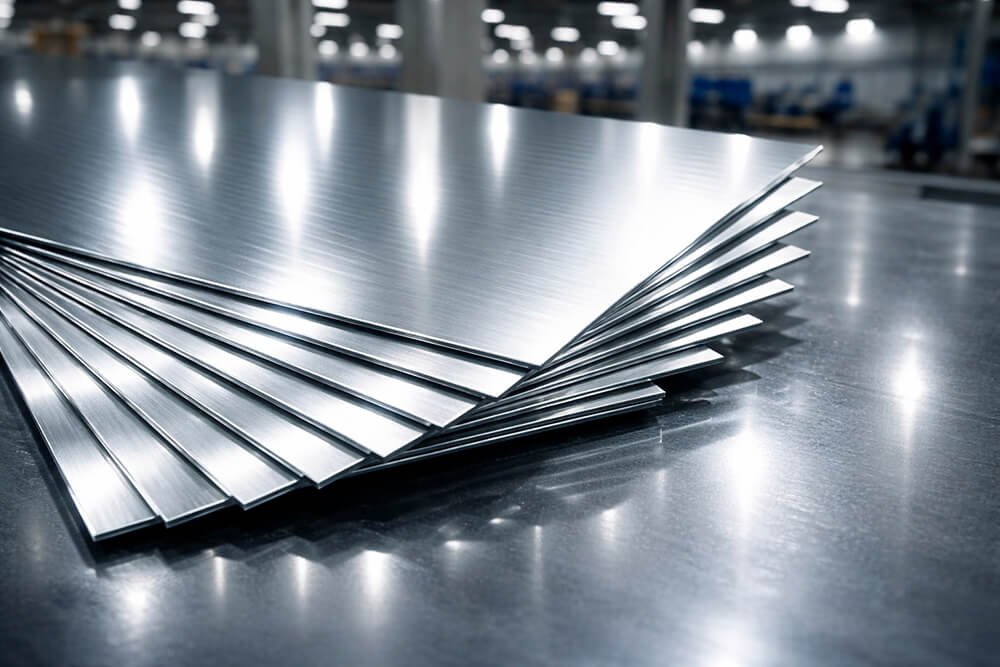
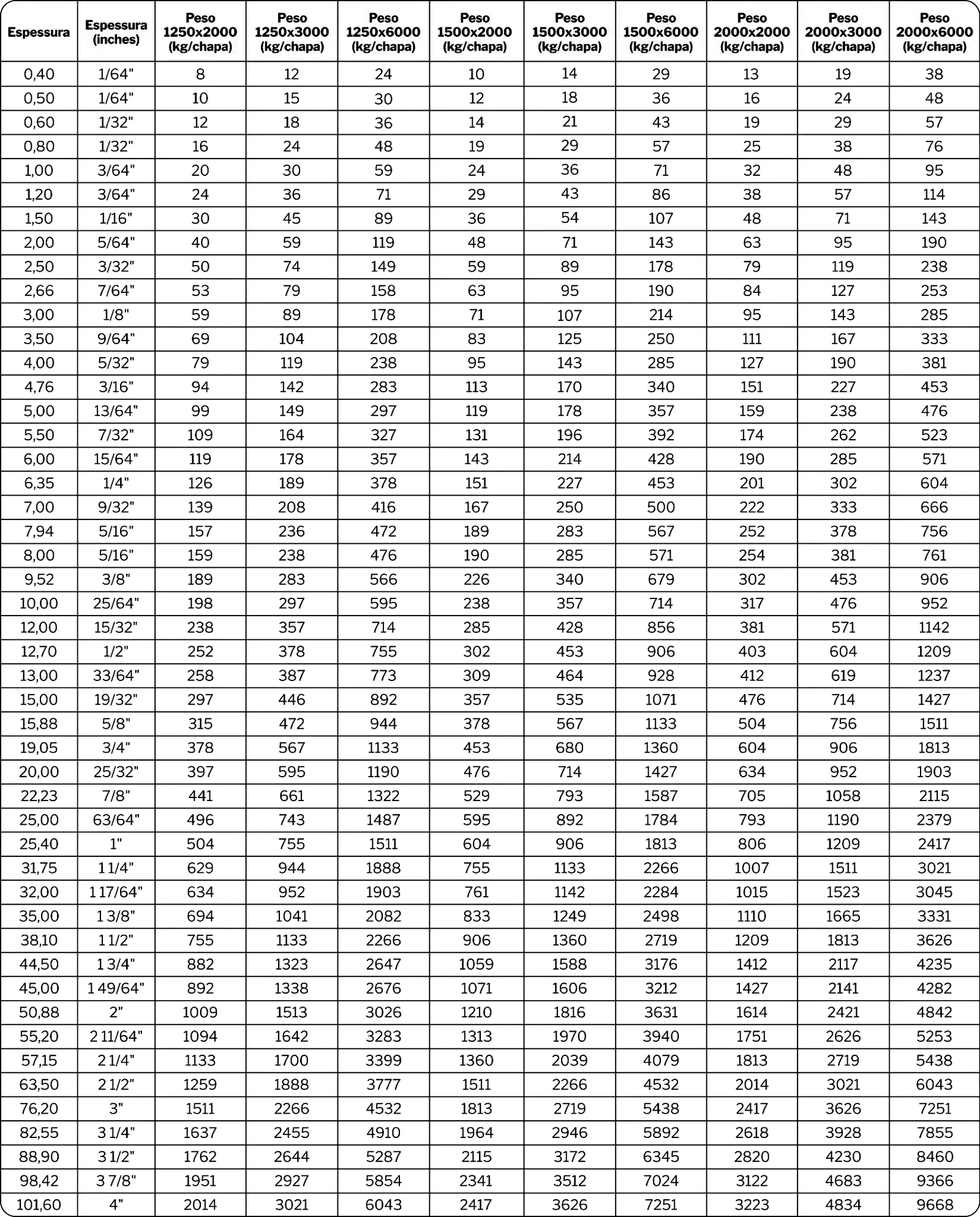
Stainless steel 304 is the most common type in the 300 series, composed of approximately 18% chromium and 8% nickel. It offers excellent corrosion resistance, good formability, and balanced weldability, making it widely used in household utensils, industrial equipment, medical applications, and architectural projects. It is a versatile material suitable for both dry and humid environments, providing great cost-effectiveness and durability.
Stainless steel 304L is a low-carbon variation (max. 0.03%), which reduces carbide formation during welding and improves resistance to intergranular corrosion. For this reason, it is recommended for equipment that undergoes frequent welding or operates in environments with high humidity or chemical agents, such as tanks, piping, and food or chemical processing systems.
Stainless steel 304H has a higher carbon content (0.04–0.10%), which provides greater mechanical strength and structural stability at high temperatures. It is the preferred choice for boilers, heat exchangers, furnaces, and petrochemical industries, where the material must maintain its properties even under severe thermal conditions.